Debunking Common Resume Myths: What Really Matters


The Myth of the "One-Page Resume"
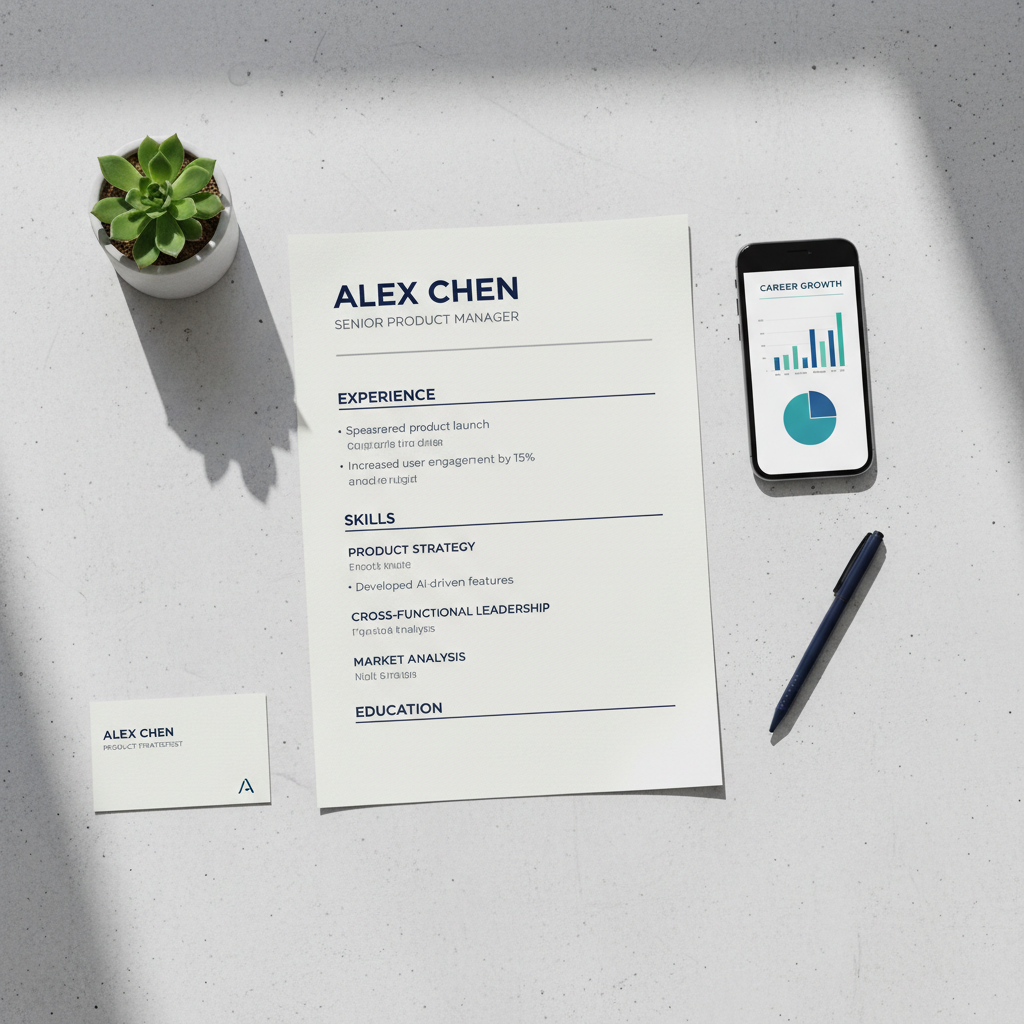
One of the most common myths is that your resume must be confined to a single page. While a concise resume is important, especially for early-career professionals, it's not a strict rule. Focus on relevance and impact rather than page count. If you have extensive experience, it's perfectly acceptable to go beyond one page to capture your achievements.
The GPA Obsession
Many believe that a high GPA is crucial for landing a job. While academic performance can be important for certain fields, most employers are more interested in your skills, experiences, and how you can contribute to their company. Highlight internships, projects, and relevant skills that showcase your capabilities beyond academic metrics.
The Objective Statement Debate
Including an objective statement at the top of your resume is often seen as essential. However, it can be more effective to use a professional summary. This allows you to provide a snapshot of your skills and experiences, tailored to the job you're applying for, rather than a generic goal.
Listing Every Job You've Ever Had
Another common misconception is that you need to list every job you've ever held. Instead, focus on roles that are relevant to the position you're applying for. Emphasize achievements and skills that align with the job description, and don't be afraid to leave out unrelated experiences.
Perfect Formatting Equals Success
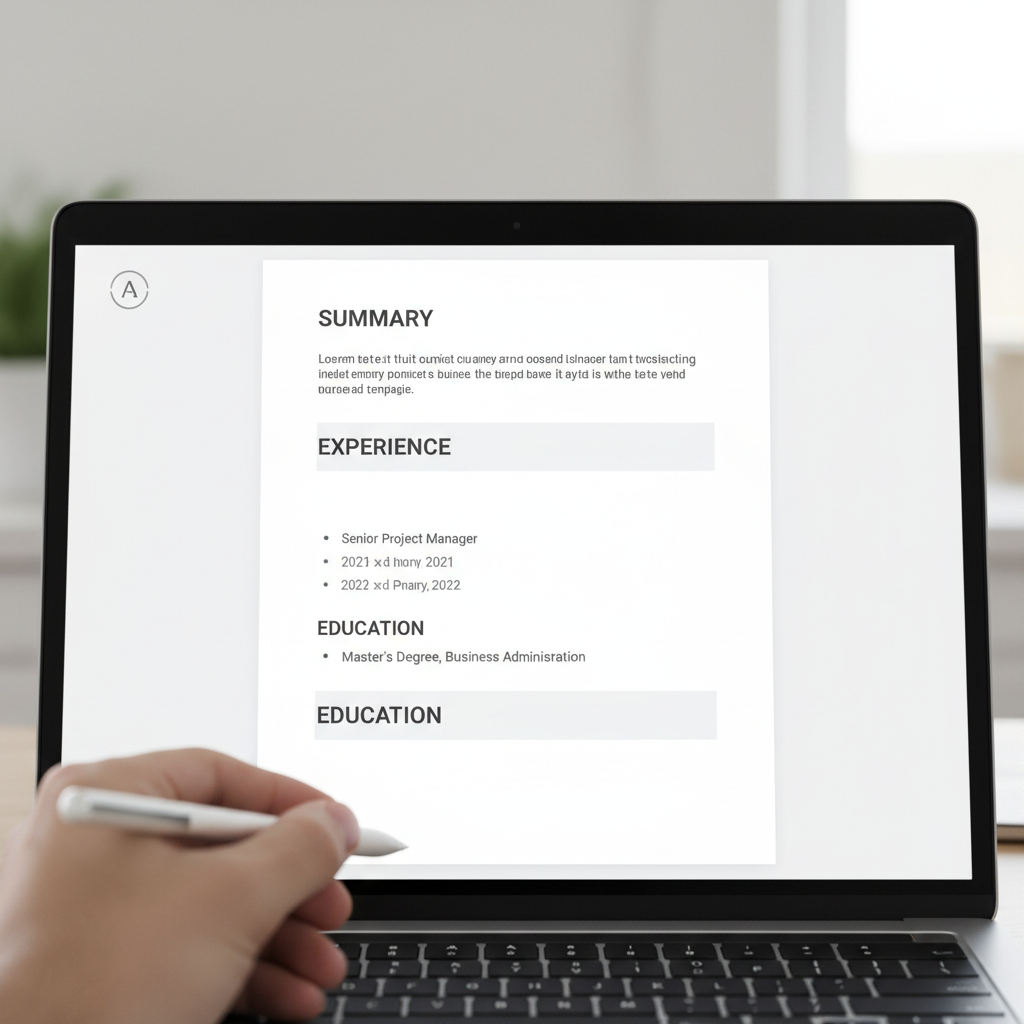
While a well-formatted resume is important, content is key. Fancy layouts and fonts won't compensate for lack of substance. Ensure your resume is clear, organized, and easy to read. Use bullet points to highlight key achievements and make your resume ATS-friendly by using standard headings and keywords.
The Power of Keywords
It's a myth that keyword stuffing will get you through the door. While it's important to include relevant terms, overloading your resume with keywords can make it sound unnatural. Integrate keywords thoughtfully into your descriptions to ensure your resume passes through Applicant Tracking Systems (ATS) while still sounding genuine.
Cover Letters Are Optional
Some believe that cover letters are outdated and unnecessary. However, a well-crafted cover letter can be a powerful tool to differentiate yourself from other candidates. It allows you to explain your interest in the company and position, and to highlight specific experiences that make you an ideal fit.

The Importance of Tailoring
Finally, the myth that you can use the same resume for every job application is misleading. Tailoring your resume for each job is crucial. Adjust your skills, experiences, and achievements to align with the job description and company values. This shows employers that you’ve put thought into your application and understand their needs.