Debunking Resume Myths: What Really Matters to Employers


Understanding the Basics
When it comes to job hunting, resumes are a crucial aspect of making a strong first impression. However, numerous myths surround what a resume should look like and how it should be formatted. These misconceptions can lead to unnecessary stress and, at times, even hinder job seekers. In this post, we’ll debunk some of the most common resume myths and provide insights into what truly matters to employers.
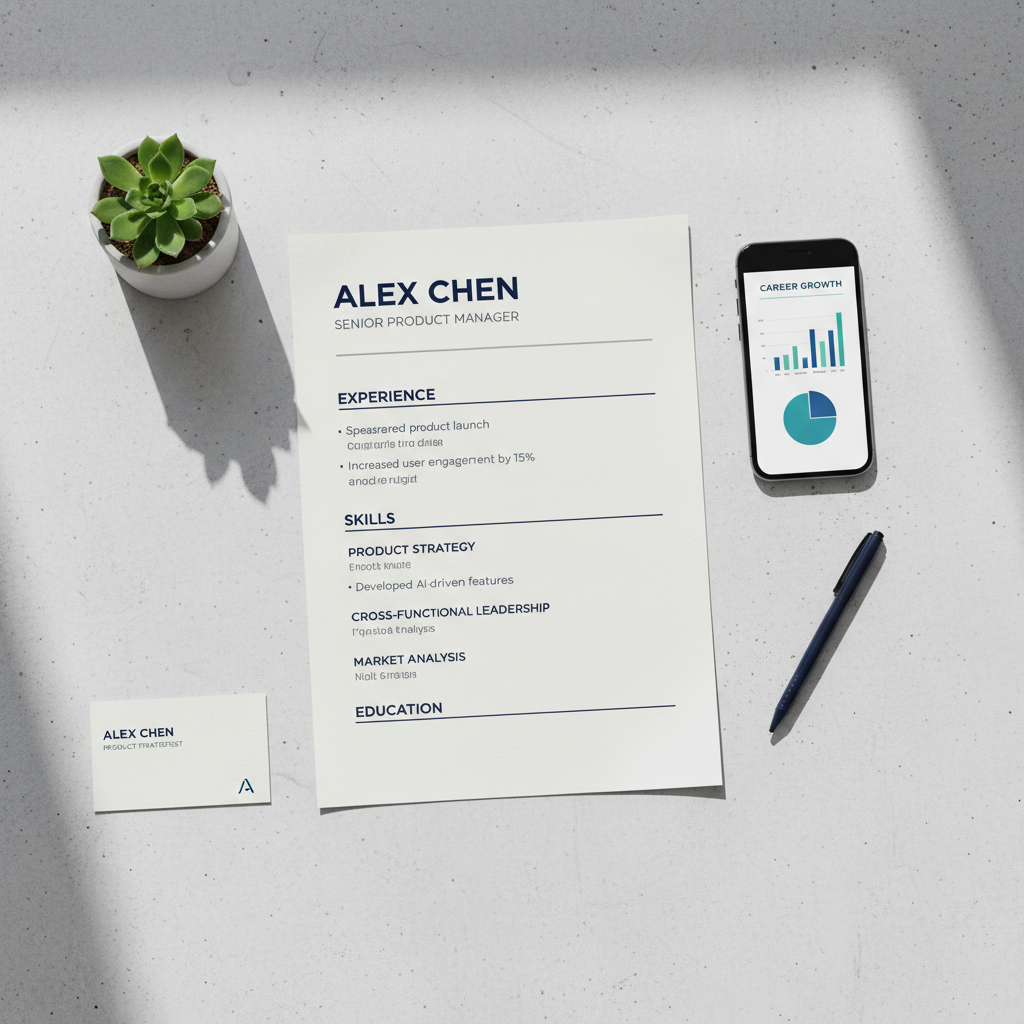
Myth 1: One Page is a Must
One of the most persistent myths is that your resume should always be one page long. While brevity is important, especially for entry-level positions, more experienced professionals may find it impossible to condense all relevant experience into a single page. Instead, focus on being concise and relevant. If your experience warrants it, a two-page resume is perfectly acceptable.
Quality Over Quantity
Employers value quality over quantity. Instead of focusing on the length, emphasize providing clear and impactful information that highlights your achievements and skills. Tailor your resume to the specific job you’re applying for, showcasing the most relevant experience.

Myth 2: Creative Designs Are Always Better
Another common misconception is that a creative design will make your resume stand out. While certain fields like graphic design or marketing might appreciate creativity, many employers prioritize content over aesthetics. A clean, professional layout with clear headings and bullet points is more effective in most cases.
Readability is Key
Ensure your resume is easy to read. Use a standard font and maintain consistent formatting throughout. Avoid overly complex designs that could distract from the content. Remember, the goal is to communicate your qualifications quickly and clearly.
Myth 3: Objective Statements Are Essential
Objective statements were once a staple of resumes, but they’ve become less relevant over time. Employers typically prefer a summary or profile that provides a quick overview of your skills and experience. This approach is more effective in capturing their attention and conveying your value.
Focus on a Strong Summary
Start your resume with a strong summary that highlights your key skills and achievements. This section should be tailored to the job description and demonstrate how you can contribute to the company’s success.

Myth 4: Listing Every Job is Necessary
It’s a myth that you need to include every job you’ve ever had. Instead, focus on the positions that are most relevant to the job you’re applying for. Highlight roles where you gained significant experience or made notable achievements.
Relevance Over Exhaustiveness
Employers are interested in the skills and experiences that align with their needs. Tailor your job history to reflect the most pertinent positions, and be prepared to discuss any gaps in employment during an interview.
- Identify key roles that relate to the job.
- Emphasize achievements and skills gained.
- Prepare explanations for any gaps if necessary.
Conclusion: What Employers Really Want
Ultimately, employers seek candidates who can demonstrate their ability to add value to the organization. A well-crafted resume should effectively communicate your skills, experiences, and accomplishments. By debunking these common myths, you can create a resume that not only impresses but also accurately reflects your professional journey.