How to Write a Résumé That Passes the Applicant Tracking System


Understanding Applicant Tracking Systems
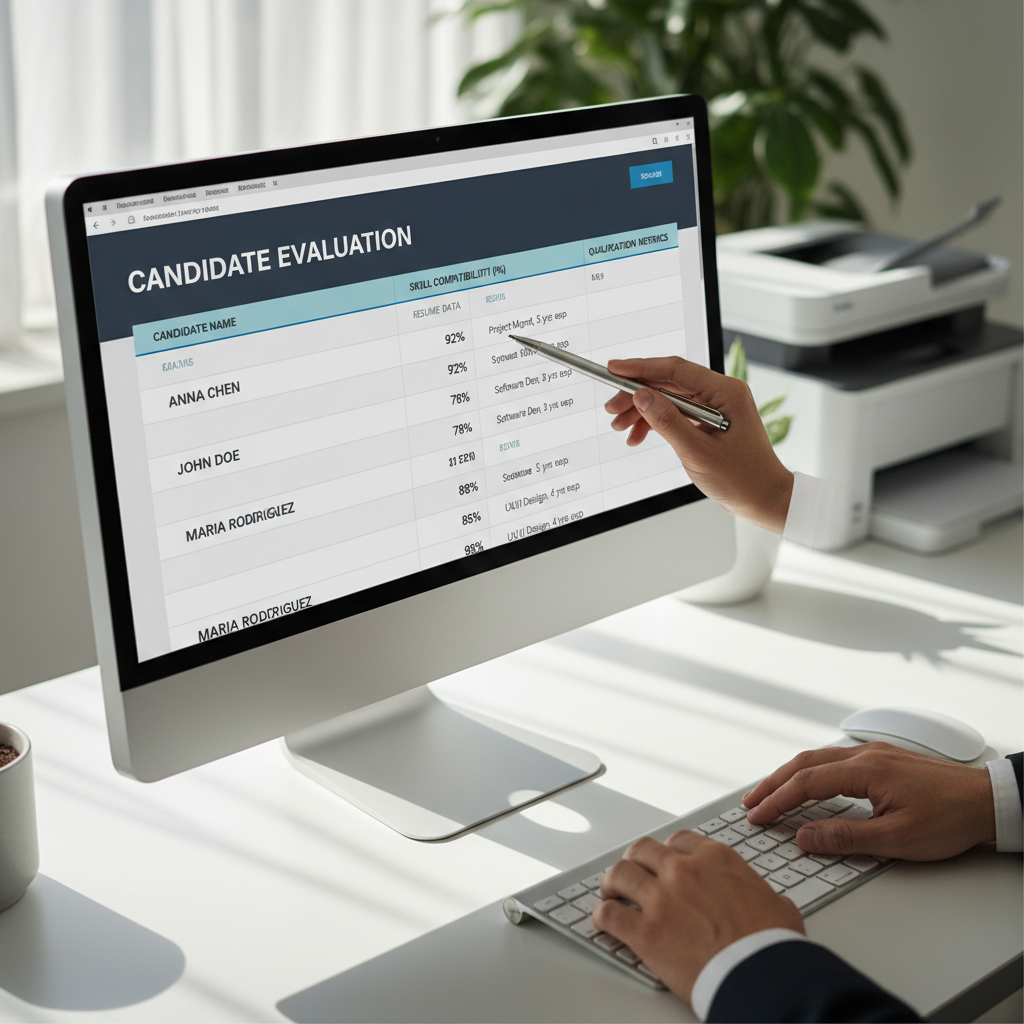
Applicant Tracking Systems (ATS) are used by many companies to filter through large volumes of résumés. These systems scan résumés for specific keywords, formats, and other criteria to determine whether a candidate is a good fit for the job. Understanding how ATS works is crucial to ensuring your résumé gets seen by a human recruiter.

Use a Simple, Clean Format
When creating your résumé, simplicity is key. Avoid using complex layouts, graphics, or images, as these can confuse the ATS. Stick to a traditional format with clearly defined sections and headings. Use standard fonts like Arial or Times New Roman, and keep the font size between 10-12 points.
Ensure that your contact information is at the top of the page, followed by a concise summary or objective. Use headings like “Experience,” “Education,” and “Skills” to organize your content. This makes it easier for the ATS to parse your information correctly.
Incorporate Relevant Keywords
ATS software looks for specific keywords that match the job description. Analyze the job listing and identify key terms and phrases. Incorporate these keywords naturally into your résumé, particularly in the “Experience” and “Skills” sections. Be careful not to overstuff your résumé with keywords, as this can make it sound unnatural.

Focus on Your Experience
Detail your work experience by listing your positions in reverse chronological order. For each role, include the job title, company name, location, and dates of employment. Use bullet points to highlight your responsibilities and achievements, and quantify your successes whenever possible. This not only helps with ATS but also provides a clear picture of your capabilities to human readers.
Be sure to use action verbs and industry-specific terminology to describe your tasks and accomplishments. This reinforces your expertise and aligns your résumé with the job requirements.
Optimize for Human Readers
While passing the ATS is important, your ultimate goal is to impress human recruiters. Craft a compelling summary that highlights your unique value proposition. Tailor each section of your résumé to the specific job you’re applying for, emphasizing the skills and experiences that make you the best fit for the role.
Proofread and Test Your Résumé
Before sending out your résumé, proofread it thoroughly to eliminate any spelling or grammatical errors. These mistakes can be off-putting to both ATS and human readers. Additionally, test your résumé by uploading it to a free ATS checker available online. This will help you identify any areas that may need improvement.
By following these steps, you can create a résumé that not only passes the ATS but also stands out to recruiters. Remember, a well-crafted résumé is your first step towards landing that dream job.