Resume Writing for Career Changers: A Step-by-Step Guide


Understanding the Unique Challenges of Career Change
Transitioning to a new career path can be both exciting and daunting. When it comes to resume writing, career changers face unique challenges. The key is to effectively showcase transferable skills and relevant experiences that align with the new industry.

Traditional resumes often emphasize chronological work history, but a career changer's resume should highlight skills and achievements that are applicable to the desired field. This requires a strategic approach to organizing and presenting your professional journey.
Research and Preparation
Identify Transferable Skills
Start by identifying skills and experiences from your previous roles that can be applied to the new career. Transferable skills like leadership, communication, and problem-solving are valuable across industries. Make a list of these skills and consider how they relate to the requirements of your target job.
Understand the Industry
Conduct thorough research on the industry you wish to enter. Understand its key players, trends, and requirements. This knowledge will help tailor your resume to meet industry expectations and demonstrate your commitment to the new field.

Crafting a Compelling Resume
Choose the Right Format
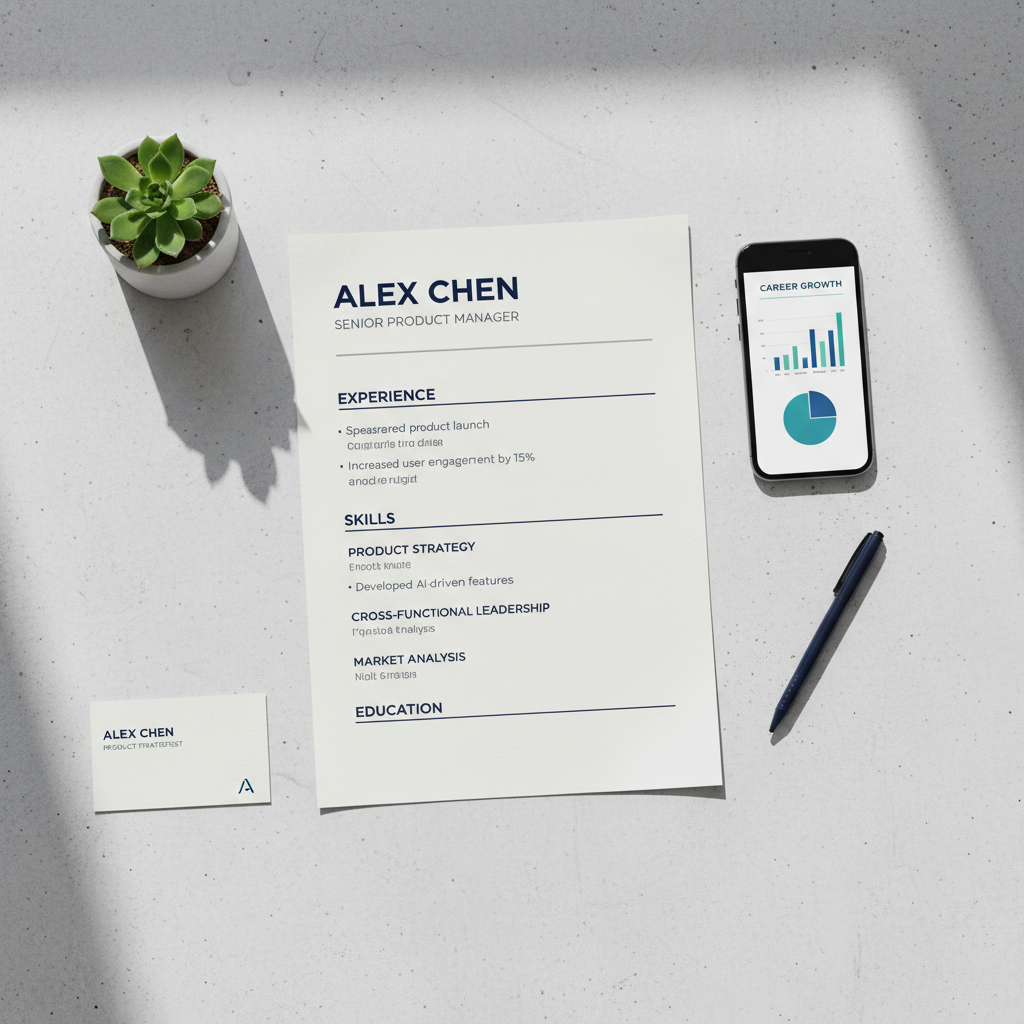
Opt for a combination resume format that blends elements of both functional and chronological styles. This format allows you to showcase your skills and accomplishments upfront, while still providing a brief work history.
- Header: Include your name, contact information, and LinkedIn profile.
- Summary: Write a compelling summary that highlights your key skills and career goals.
- Skills Section: List relevant skills prominently to capture the employer's attention.
- Experience: Focus on achievements and responsibilities that relate to the new career.
- Education and Certifications: Include any relevant education or certifications that enhance your candidacy.
Showcase Relevant Experiences
Emphasize experiences that demonstrate your ability to succeed in your new career. Use specific examples and quantify achievements where possible. Highlight projects, volunteer work, or additional training that aligns with the job you’re pursuing.
Address Employment Gaps
If you have gaps in your employment history, address them proactively. Briefly explain how you have used this time to gain new skills or pursue relevant experiences. This approach reassures employers of your continuous professional development.
Final Touches and Review
Before submitting your resume, ensure it is free of errors and formatted consistently. Use professional language and avoid jargon. Consider having a mentor or career coach review your resume to provide feedback.
Tailor your resume for each application by adjusting keywords and phrases to match the job description. This customization increases the likelihood of passing Applicant Tracking Systems (ATS) and catching the hiring manager's eye.

By following these steps, you can create a resume that effectively communicates your potential and readiness for a new career path. With determination and the right strategy, you can successfully make the transition you aspire to achieve.